…and that is why I was staring at the little orange pill bottle on my nightstand for twenty minutes this morning. It isn’t just about the pill itself; it’s the routine. You hear all this talk about weight loss or blood sugar, and suddenly, your morning coffee becomes a logistical puzzle.
I’ve talked to plenty of people moving from older medications like metformin to newer options. There is a lot of confusion out there, especially with all the hype about the injectable versions of this medication. You might wonder if a pill can actually do what an injection does, or if you’re just trading one set of rules for another.
If you’re managing type 2 diabetes, you already know life revolves around numbers. A1C levels, fasting glucose, carb counts, it never really stops. Adding Rybelsus into that equation changes the math, specifically regarding when and how you eat breakfast.
How It Actually Works in Your Body
It is easy to think of diabetes medication as something that “fixes” a problem, but it’s more like a conductor for an orchestra that’s gone slightly out of tune. Rybelsus is a once-daily oral medication that uses semaglutide to help manage glucose levels. It doesn’t just sit in your stomach; it actually communicates with your system.
When you take it, the medication helps in three ways. First, it triggers your pancreas to release more insulin when blood sugar is high. Second, it tells your liver to stop dumping so much extra sugar into your bloodstream. Third, it slows down how fast your stomach empties, which helps prevent those massive glucose spikes after a meal.
Because it works by mimicking a hormone your body naturally produces, it feels different than older drugs. It’s not about forcing your cells to take in sugar; it’s about teaching your body to handle the sugar you already have more efficiently. It works best when you’re also sticking to a diet and exercise plan to keep things steady.
I remember talking to Mike, a 54-year-old contractor who had been on metformin for years. He was tired of the stomach upset that came with his old meds. When he switched to Rybelsus, he had to learn that timing was everything. He couldn’t just pop a pill and go grab a bagel; he had to wait, and that was his biggest adjustment.
It’s a subtle shift in how you view your morning. You aren’t just “taking medicine”; you are managing a biological process that requires precision to work.
The Strict Rules of the Morning Routine
This is where most people stumble. You can’t just take Rybelsus whenever you feel like it. There is a very specific protocol you have to follow, or the medication simply won’t absorb properly. If you miss this window, you’re essentially wasting the dose.
The instructions for taking RYBELSUS are quite firm. You must take it at least 30 minutes before your first food, beverage, or any other oral medications of the day. You are also limited to a very small amount of liquid, no more than 4 ounces of plain water.
Think about that. Most of us start our day with a large glass of water, a cup of coffee, or even a small piece of toast. If you do any of those things before that 30-minute window is up, the medication might not work the way your doctor intended. It’s a high bar for people who aren’t naturally “morning people.”
I’ve seen people try to “make up for it” by taking a larger dose or taking it at night, but that’s not how this works. Absorption is highly sensitive to food in the stomach. If you struggle with consistent wake-up times, this can be a real headache.
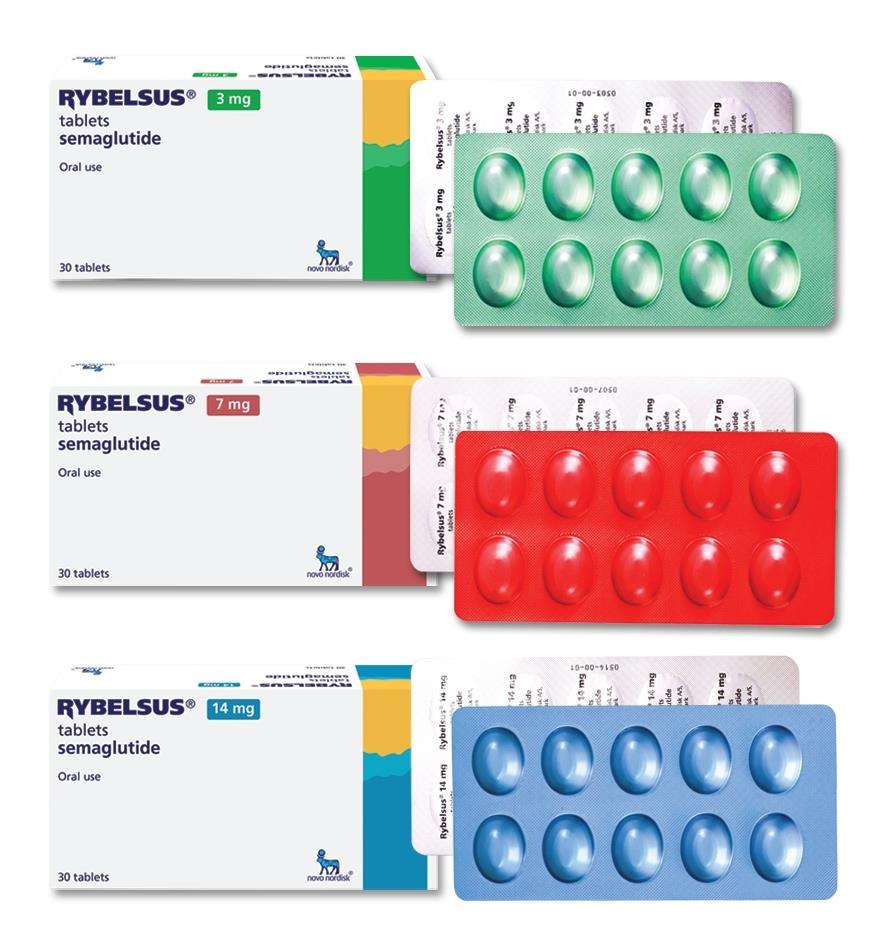
Here is a breakdown of the dosing structure you might encounter:
| Dosage Level | Common Usage | Primary Goal |
|---|---|---|
| 7 mg | Starting dose or maintenance | Improve blood sugar control |
| 14 mg | Increased dose for better control | Reduce A1C levels further |
If you are looking for rybelsus online, you’ll find the conversation often revolves around availability and cost, but the real conversation should be about whether you can commit to that 30-minute empty-stomach rule.
What to Expect with Side Effects
Let’s be honest: your digestive system might have something to say about this. Because the medication slows down how fast your stomach empties, it is very common to feel a bit nauseous, especially when you first start or when your doctor bumps your dose from 7 mg to 14 mg. It’s a common experience, but that doesn’t make it any less annoying when you’re trying to get through a workday.
Most people find that these feelings come and go. They tend to be most intense in the first few weeks. It’s not a permanent state for everyone, but it is a real possibility. You might experience:
- Nausea or feeling sick to your stomach
- Less appetite
- Changes in bowel movements
- Occasional stomach discomfort
I once spoke with a woman who felt so nauseated during her first week that she almost quit the medication entirely. She thought she was doing something wrong, but her doctor explained it was just her body adjusting to the slowed digestion. Once she got past that initial hump, the nausea subsided, and she was able to maintain her A1C levels much more consistently.
Monitor how you feel. If the side effects feel overwhelming, don’t just stop taking it without talking to your healthcare provider. There are ways to manage it, including how you structure your meals. Eating smaller, more frequent portions can sometimes help with that “too full” feeling.
It takes patience. Real patience.
Comparing Your Options
You might wonder if this is the same thing as the shots you see people talking about online. While they both use semaglutide, the delivery method changes the experience. The injectable version is usually once a week, whereas Rybelsus is a daily pill. This is a huge distinction for your lifestyle.
Some people prefer the pill because they don’t want to deal with needles. Others prefer the shot because they don’t want to remember a pill every single morning or deal with strict food timing rules. It’s a trade-off between the convenience of the method and the convenience of the schedule.
How does it compare to other things you might be taking? Here are a few common comparisons:
- Metformin: Usually taken with food to avoid stomach issues; works by reducing liver glucose production.
- Injectable Semaglutide: Same active ingredient, but given weekly via a pen rather than daily via a pill.
- Sulfonylureas: These often carry a higher risk of hypoglycemia (low blood sugar) if you skip a meal.
The goal for most of us is stability. We want glucose to stay in a predictable range so we aren’t riding a roller coaster of highs and lows. Rybelsus is a tool to help reach that stability, but it isn’t a magic wand. It works best when it’s part of a larger, healthy lifestyle. If you use it as an excuse to eat whatever you want, you’re fighting an uphill battle against your own biology.
The best choice is the one you can actually stick to. If you’re someone who forgets to eat breakfast or someone who needs a large cup of coffee to function, the strict rules of Rybelsus might be a hurdle. If you’re someone who is already very disciplined with your morning routine, it might be a much easier transition.
Deciding on a medication is a personal choice to be made with your doctor, but understanding the daily reality of the pill can help you prepare for the changes that come with it.
Common questions
Are Ozempic and Rybelsus the same?
No, while both contain the same active ingredient (semaglutide), Ozempic is an injectable medication and Rybelsus is an oral pill.
How much weight can I lose with Rybelsus in a month?
Weight loss varies by individual, but clinical studies show significant weight reduction over several months rather than a specific amount within the first month.
What are the side effects of taking Rybelsus?
Common side effects include nausea, vomiting, diarrhea, stomach pain, and constipation.
Is Rybelsus the same as metformin?
No, Rybelsus is a GLP-1 receptor agonist, whereas metformin is a different class of medication that works by reducing glucose production in the liver.
How should I take Rybelsus?
Rybelsus must be taken once daily on an empty stomach with at least 30 minutes before any food, water, or other medications.